
 Foil Stamping
 Spot UV
 Embossing
 Debossing
 Matte Lamination
 Gloss Lamination
 Soft Touch
 Holographic Foil
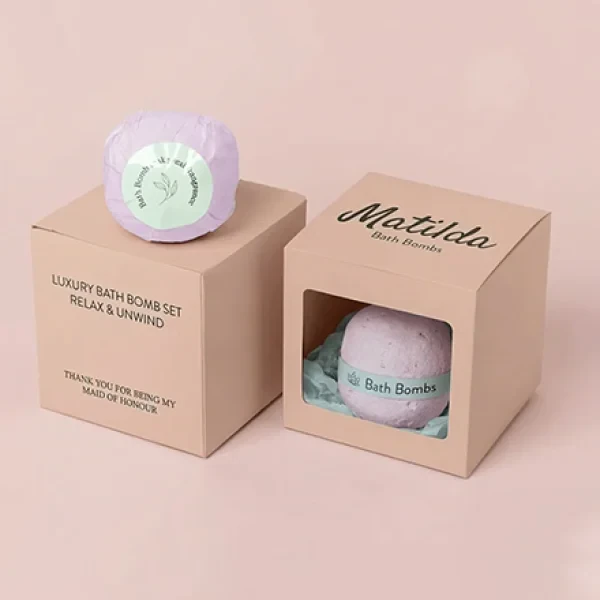
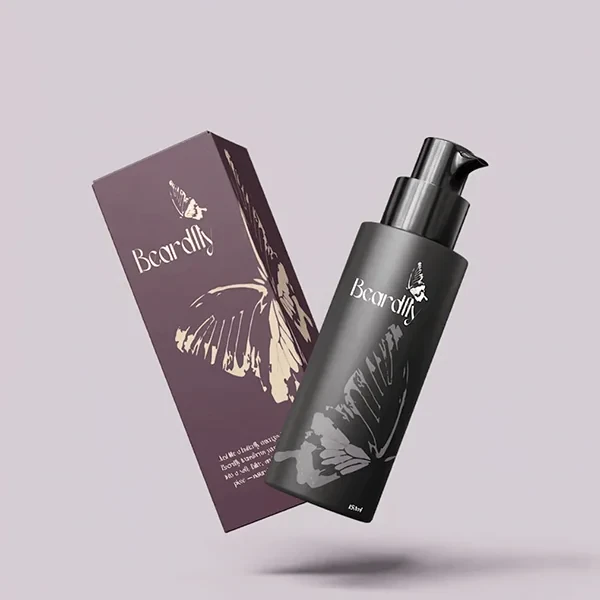
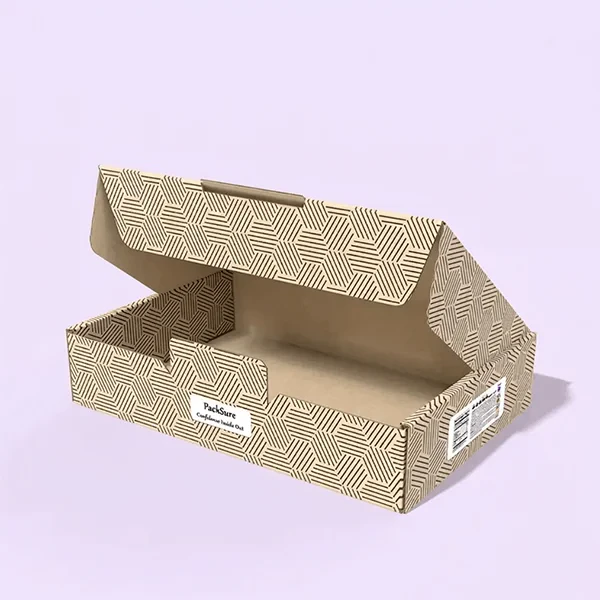
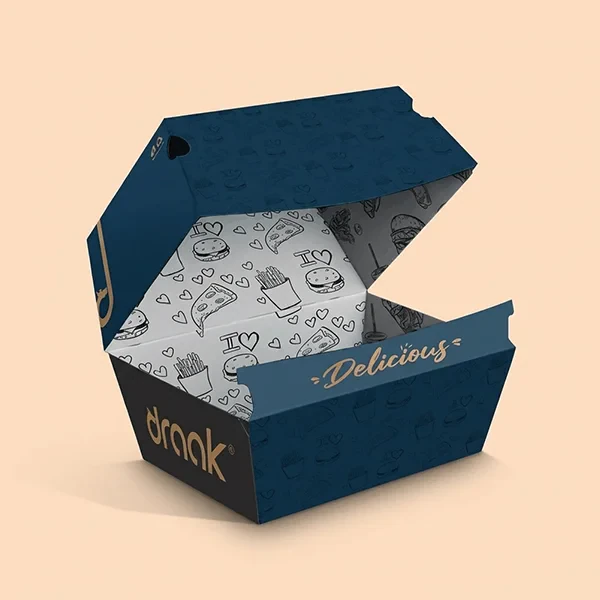
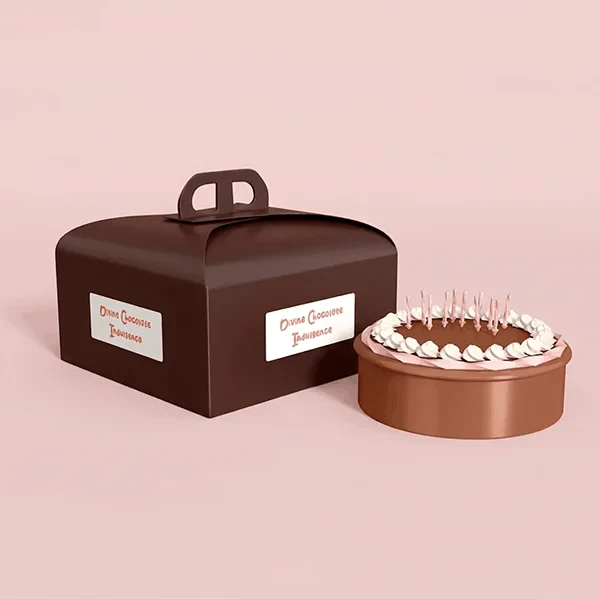
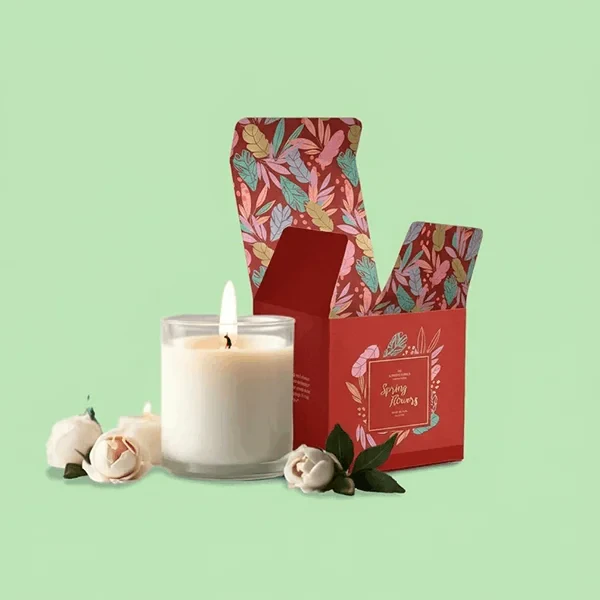
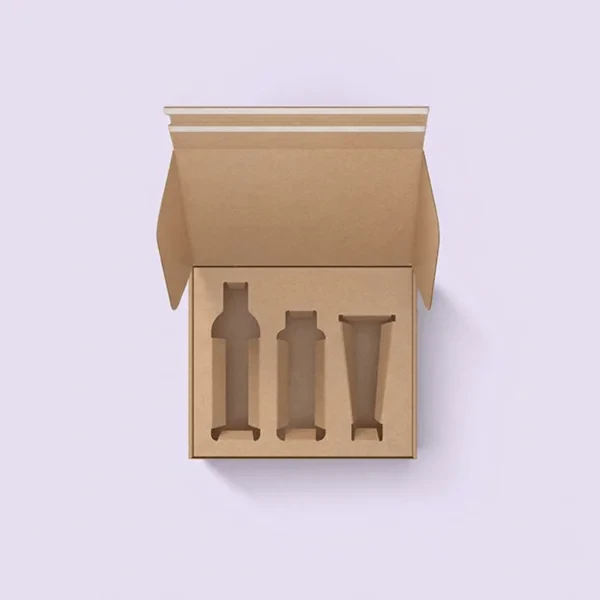
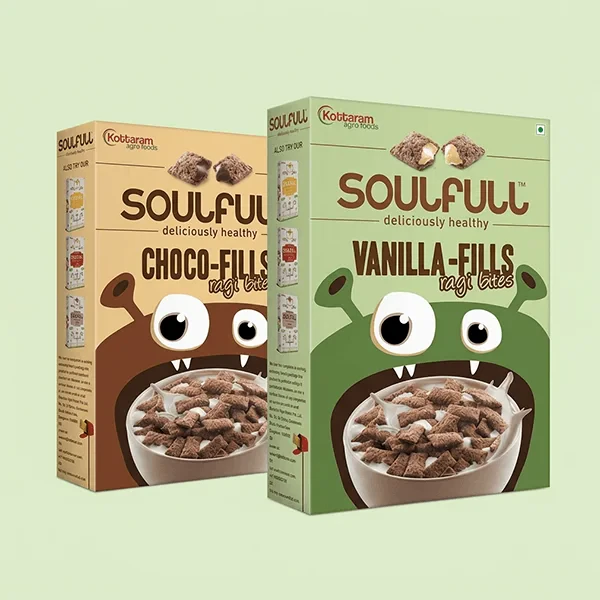
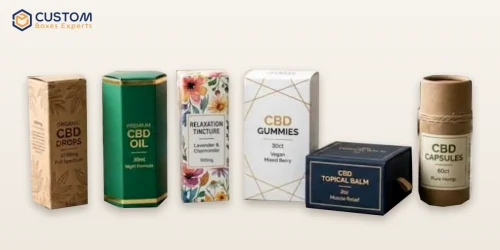
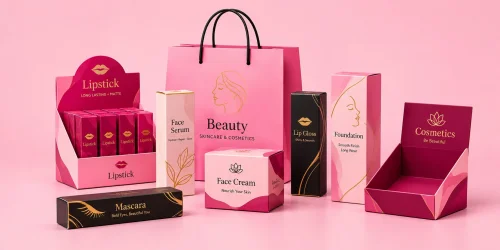
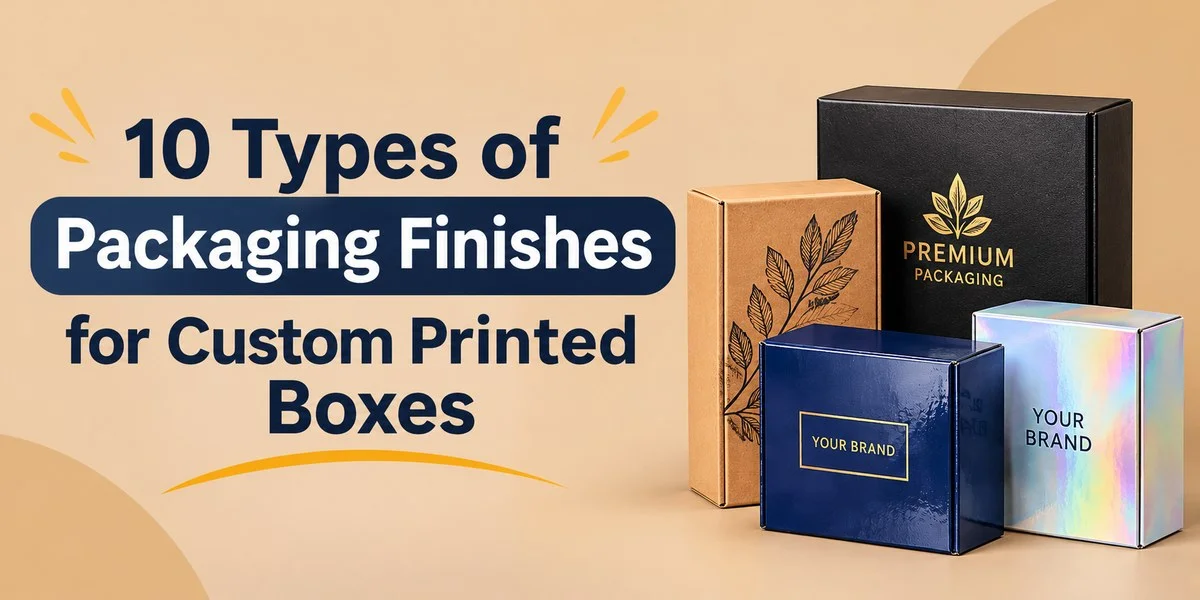
The first impression of custom packaging often begins with its appearance and texture. A box's finish can influence how customers perceive a brand, even before they read its logo or brand message. A smooth, elegant, or textured surface can make packaging feel ordinary or premium. This is why packaging finishes play an important role in product presentation. Printing communicates the brand's visual identity, while finishing techniques enhance the box's appearance and create a distinctive tactile experience.
At Custom Boxes Experts, we help brands pick finishes that fit their product, budget, and story. This guide covers the ten finishes we recommend most often for bespoke packaging, along with what each one does well.
Why Packaging Finishes Matter More in 2026
Brands are spending more on packaging that people remember. The global custom packaging market is projected to grow from USD 50.63 billion in 2026 to USD 81.04 billion by 2034, and buyers are behind that growth. In a 2026 Adobe Express survey, 73% of consumers said premium packaging improves their perception of a brand, and 57% of consumers who had a memorable packaging experience went on to make another purchase from that brand.
Online shopping hasn't reduced the value of a good box either. Mondi's 2026 eCommerce report found that 67 percent say packaging influences repeat purchase. The right finish also pays off at the till: brands increasingly invest in tactile substrates, foil stamping, embossing, specialty coatings, and custom closures, as higher perceived product value enables retail price premiums of 8-25%.
Here are 10 popular types of packaging finishes used for custom printed boxes:
1. Matte Lamination
Matte lamination bonds a thin, non-reflective film to the printed board. It cuts glare, softens bright colors, and gives the box a calm, modern look. Skincare, tech accessory, and minimalist lifestyle brands often choose it because it looks refined without trying too hard. The film also protects the print from scuffs during shipping.
2. Gloss Lamination
Gloss lamination does the opposite. It reflects light, deepens blacks, and makes CMYK colors look richer. If your custom printed boxes rely on bold photos or bright brand colors, gloss brings them out under store lighting. It also wipes clean easily, which helps with food and confectionery packaging.
3. Soft-Touch Lamination
Soft-touch lamination gives the surface a velvety, almost suede-like feel. People often run their fingers across it without realizing, and that small moment makes the box feel special. Perfume, jewelry, and premium chocolate brands love it. Soft touch also resists fingerprints better than gloss, so display boxes stay clean on the shelf for longer.
4. Aqueous Coating
Aqueous coating is a water-based layer applied on the press straight after printing. It dries quickly, costs less than lamination, and adds a light protective seal over the ink. You can choose matte, satin, or gloss versions. For brands that need protection on a tight budget, or are running large orders, aqueous coating is a practical, low-odor choice.
5. UV Coating
UV coating uses liquid varnish that ultraviolet light cures in seconds. When it covers the whole surface (a "flood" coat), it gives a hard, high-shine layer that handles heavy handling well. Retail packaging that gets picked up, put back, and restocked many times benefits from this toughness. It also makes colors look vivid without adding a plastic film.
6. Spot UV
Spot UV puts that glossy varnish only on chosen areas, such as a logo, a pattern, or a product name. Placed over a matte or soft-touch base, it creates a clear shiny-versus-flat contrast that draws the eye. Designers often use it to add depth without extra color. A raised (3D) version builds up a thicker layer you can actually feel.
7. Hot Foil Stamping
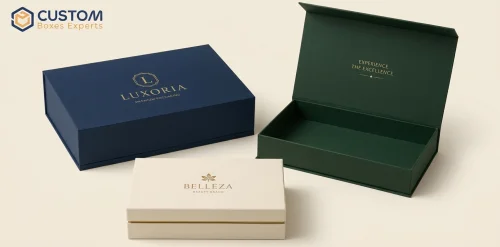
Hot foil stamping uses a heated metal die to press metallic or colored foil onto the board. Gold & silver are the classic choices, but rose gold, copper, and matte foils are popular too. Foil instantly signals quality, which is why so many gift boxes, cosmetics, and festive collections use it. It works best on smooth, coated stocks such as SBS paperboard and rigid board.
8. Embossing
Embossing creates a raised design on the surface of a box by pressing the material between specially made dies. This technique adds depth and texture to logos, patterns, and lettering, making them stand out without relying on extra colors. It works well for luxury packaging, cosmetic boxes, gift boxes, and premium product branding. It's also one of the most-used premium techniques: embossing is projected to cover 31.0% of finish type sales in 2026, since raised surface detailing adds tactile value to premium packs. Pair it with foil for maximum impact.
9. Debossing
Debossing creates a recessed design by pressing text, logos, or patterns into the surface of the box. This technique adds depth and texture without using ink or additional colors. It is ideal for minimalist packaging, premium product boxes, and brands that prefer a clean, subtle finish—debossing works particularly well on kraft, recycled, and uncoated materials.
10. Holographic Finish
Holographic film or foil shifts color as light hits it from different angles. The rainbow effect catches attention on a busy shelf and looks great in unboxing videos. Beauty, gaming, streetwear, and limited-edition products often use holographic accents to feel bold and youthful. A little goes a long way, so many brands use it only on logos or borders.
How to Choose the Right Finish
Start with your product and your customer, not the trend. A luxury candle needs a different finish from a frozen food carton. Think about these four points:
Material: Coated paperboard and rigid boxes accept almost every finish. Kraft and corrugated suit debossing and aqueous coatings better.
Handling: Boxes that travel through courier networks need laminations or UV coatings that resist scratches.
Budget: Coatings cost the least. Foil, embossing, and specialty films add tooling and setup costs.
Sustainability: Shoppers check this more and more. Over half of those surveyed (53%) now consider the environmental impact of packaging before making a purchase. Aqueous coatings and debossing keep boxes easier to recycle than heavy plastic films.
packaging-gateway
You can also combine finishes. A soft-touch base with spot UV and gold foil is one of the most requested combinations in bespoke packaging, and it rarely looks overdone when the design is clean.
Create Your Custom Printed Boxes with Custom Boxes Experts
The right finish turns a simple container into a brand experience customers remember. Our team at Custom Boxes Experts helps you compare samples, balance cost against impact, and choose finishes that suit your material and market. From matte lamination to holographic foil, we produce custom printed boxes that look premium and arrive in perfect condition across the USA and Canada.
Ready to give your packaging a finish that sells? Contact us today for a free quote on your next bespoke packaging order.
