





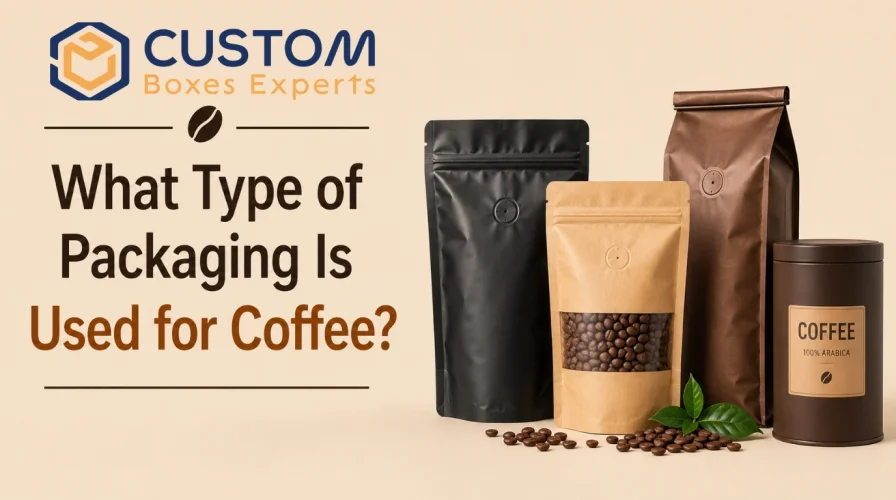
Every coffee lover knows the joy of a fresh brew. The rich aroma fills the room instantly. But keeping that taste fresh is a big challenge. Freshly roasted coffee begins losing its flavors right away. This is precisely why it’s vital to choose a suitable packing material. Otherwise, high-quality coffee will soon become unpalatable.
Your packaging must protect the beans and attract customers at the same time. Using high-quality Custom Boxes helps you ship your products safely. Let us look at how you can pick the best packaging for your coffee brand.
Why Freshness Matters for Coffee
Fresh coffee beans have natural enemies. These enemies are oxygen, moisture, light, and heat. The moment oxygen comes into contact with the roasted coffee, a process referred to as oxidation occurs. This process degrades the oils, which provide the unique taste of the coffee. Moisture makes the coffee rot and even produces molds.
Sunlight and heat reduce the quality of the roast. This is why coffee bags require strong barriers. Good packaging keeps these elements out so the coffee stays fresh for months. Customers want to open their bag and smell fresh coffee every single time. Providing this experience builds trust in your brand.
Popular Coffee Packaging Formats
There are many different styles of Custom Packaging used for coffee today. Each style has its own benefits depending on your sales model. Let us check the most common formats available in the market.
Stand-Up Pouches (Doypacks)
Stand-up pouches are incredibly popular in the coffee industry. They have a flat bottom gusset, which allows them to stand upright on retail shelves. This format is very easy to display in grocery stores.
They usually feature a resealable zipper at the top. This zipper helps home users keep their coffee fresh after opening. These pouches offer a great front surface for printing your brand design.
Flat-Bottom Bags
Flat-bottom bags combine the best features of different box shapes. They have a completely flat rectangular base. This makes them highly stable on flat shelves. They have four clear vertical sides and a flat bottom.
This structure gives you plenty of space for branding and ingredient labels. Many high-end specialty roasters prefer this shape because it looks very premium.
Side-Gusset Bags
Side-gusset bags are a classic option for bulk coffee. They fold flat when empty, saving you valuable storage space. As you pour coffee into these bags, their walls stretch. Usually, these bags are sealed using a metal string or adhesive tape.
They are very cost-effective and best for buying goods in bulk, though they can be difficult to erect as compared to doypacks.
Single-Serve Sachets and Stick Packs
Single-serve packaging is perfect for instant coffee and travel packs. This is because these tiny containers, which may be either tubes or pouches, have only one serving of coffee in them.
They are easy to carry around as they are very light in weight. This style uses less material, which keeps your packaging costs low.
Vacuum Brick Bags
For vacuum brick bags, machines remove all the oxygen from the package. Then, they compress the ground coffee into a hard, rectangular block. This block looks like a brick and stacks very easily in shipping boxes.
It protects the ground coffee from air and extends shelf life for a long time. Major supermarket brands use this method for budget-friendly coffee lines.
Comparing Coffee Packaging Materials
The material of your bag determines how well it shields the coffee from damage. Let us compare the main materials used by coffee brands.
Foil-Laminated Bags
Foil-laminated bags are the gold standard for protecting fresh coffee. They feature a thin layer of aluminum inside the plastic film. This layer blocks 100% of oxygen, light, and moisture. Your coffee can stay fresh inside these bags for up to a year. The only downside is that these multi-layer bags are difficult to recycle.
Mono-Material Plastic Pouches
Many modern brands are switching to mono-material plastic pouches. These bags are made from a single type of plastic polymer. Because they use only one material, they are highly recyclable. They still offer a good barrier against air and moisture. This material is a great choice if you want to protect both your coffee and the planet.
Kraft Paper Bags with Liners
Kraft paper gives a very natural and organic look to your brand. However, plain paper has no barrier against air or moisture. To solve this, manufacturers add a plastic or foil lining inside the paper bag. This hybrid design gives you a rustic look on the outside and high protection on the inside. It is perfect for local roasters who sell fresh coffee quickly.
Compostable Bio-Films
Compostable bags are made from plant-based materials like cornstarch. They break down naturally in industrial composting facilities. These bags are excellent for brands that focus heavily on sustainability. However, they do not block oxygen as well as foil bags. Therefore, coffee stored in compostable bags should be consumed within a few months.
Material Comparison at a Glance
Let us put these materials into a simple comparison table:
Material Type | Oxygen Barrier | Best For | Eco-Friendly? |
Foil Lamination | Excellent | Long-term storage | No |
Mono-Material | Good | Retail brands | Yes |
Kraft Paper with Liner | Moderate | Local sales | Partially |
Compostable Film | Fair | Eco-conscious brands | Yes |
Crucial Features of High-Quality Coffee Bags
In order to ensure that your packaging operates effectively, certain functional elements have to be incorporated into it. Such elements help improve user experience and maintain the freshness of the coffee.
One-Way Degassing Valves
Freshly roasted coffee naturally releases carbon dioxide gas. If you seal the coffee in an airtight bag without a valve, the bag will swell and burst. A one-way degassing valve lets this gas escape. Crucially, it does not allow outside oxygen to enter the bag. This tiny feature is essential for preserving the taste of whole beans.
Resealable Zippers
A coffee bag is rarely finished in one day. A built-in zipper allows customers to close the bag tightly after each use. This keeps the remaining coffee dry and fresh. Simple zip locks are cheap to add but highly valued by home users.
Kraft Coffee Sleeves
If your business also serves hot coffee to go, do not forget about Kraft Coffee Sleeves. These cardboard bands slide onto paper cups to protect customers from hot drinks. They provide a safe grip and prevent accidental spills. They also offer an excellent spot to print your cafe logo and social media handles.
Designing Your Custom Boxes for Maximum Impact
Brand building is what makes a customer loyal after he or she purchases your product for the first time. Using basic and labelless packages will make your business appear unprofessional. Use custom packaging made from quality boxes to create a strong first impression.
When you decide to create printed boxes for your coffee bags, you show that you have an eye for quality. You may use attractive colors, elegant fonts, and simple design elements. Including your brand’s story on the back of the box is a way to interact with your buyers. Custom packaging boxes make unboxing more enjoyable.
In case you are selling coffee online, it becomes very important to have shipping insurance. Custom-made boxes with logos guarantee the delivery of your coffee bags in mint condition without any tears or holes. Moreover, Custom Product Boxes make customers go crazy on their social media accounts when they open them for the first time.
How to Choose the Right Box Size
Choosing the correct size for your shipping box is very important. You must measure your coffee bag when it is completely full. Always leave a small amount of space around the bag. This extra space prevents the bag from rubbing against the cardboard walls. It also gives you room to add some protective paper if needed. A box that fits perfectly saves you money on shipping costs.
Conclusion
Choosing the perfect packaging for your coffee can be an important decision. It determines the quality of taste, appearance, and cost of transport. All the factors, ranging from simple stand-up pouches to the Shipping Boxes, play a vital part. Make sure that you take your time choosing different types of packaging. This is important in ensuring that your coffee is fresh and your company grows.If you're ready to enhance your coffee packaging with high-quality, fully customized solutions, Custom Boxes Experts can help you create packaging that protects your products while strengthening your brand identity.
Frequently Asked Questions (FAQs)
Why does coffee packaging need a one-way valve?
Freshly roasted coffee releases carbon dioxide. The valve lets this gas out so the bag does not pop while keeping oxygen out.
Can I recycle standard foil-lined coffee bags?
No, it is very difficult to recycle plastic bags that have foil because the materials cannot be separated.
Why should you consider using Kraft coffee sleeves?
It will ensure that your customers’ hands do not get burnt, and it will help promote your brand name.
How long will vacuum bags preserve your coffee?
Coffee packed in vacuum brick bags is fresh for up to one year.
Would you recommend using customized boxes with a logo?
Yes, it is important to have boxes that bear your brand logo.